Ultimate Guide to Finding Last Stop Bus Parts in Roblox
Master the survival mechanics of The Last Stop on Roblox. Learn where to find all last stop bus parts, how to upgrade your defenses, and beat the final boss.
Published:
Table of Contents
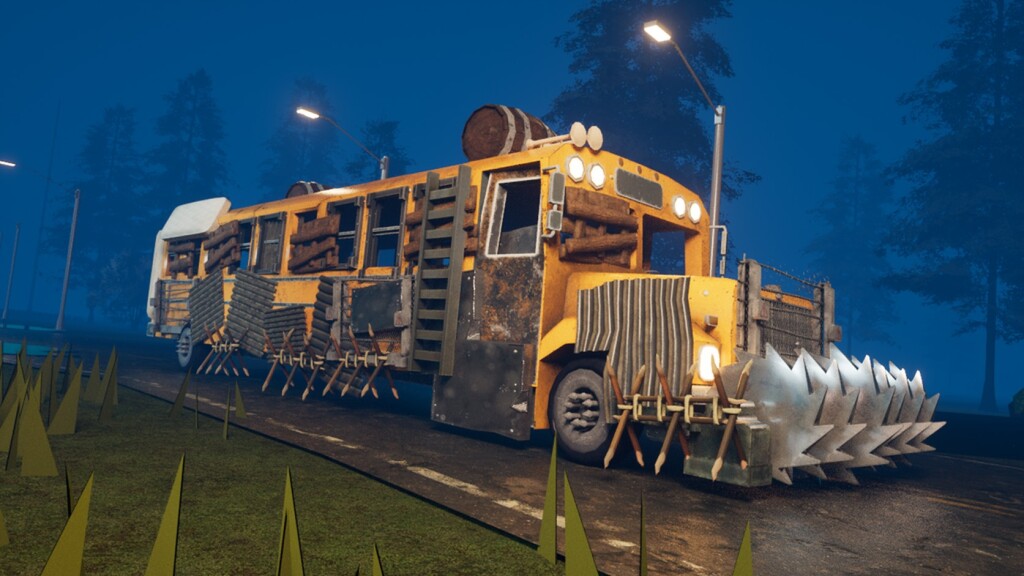
Survival in the post-apocalyptic wasteland of Roblox’s The Last Stop isn't just about your aim or your speed; it is entirely dependent on the health of your vehicle. Your bus is your mobile fortress, your storage unit, and your only ticket to the end of the line, but keeping it running requires a constant influx of last stop bus parts. Without a steady supply of wheels, fuel, and defensive plating, you will quickly find yourself stranded in the dark, surrounded by relentless zombie hordes.
Understanding the hierarchy of last stop bus parts is essential for any player hoping to survive the 80,000-meter journey through military bases, ancient pyramids, and infested gas stations. Whether you are a solo survivor or part of a coordinated crew, knowing which parts to prioritize—and where they spawn—can mean the difference between a successful run and a total wipe. In this comprehensive guide, we will break down every essential component, upgrade path, and looting strategy to ensure your bus remains an impenetrable tank.
Quick Answer
The most critical last stop bus parts include wheels, fuel, scrap wood, and iron plating. These are primarily found in abandoned buildings, barns, and gas stations scattered along the road. Players should prioritize upgrading to a dual-circuit master cylinder style brake system and reinforced walls to survive the late-game "Vampire Knight" and "Hulk" zombie variants.
Essential Last Stop Bus Parts and Where to Find Them
Every journey in The Last Stop begins with the basics. When you first spawn into a server, your bus is often a skeletal wreck. The immediate goal is to scavenge the starting area for the foundational last stop bus parts required to make the vehicle mobile. According to community reports, players often overlook the importance of weight distribution and fuel efficiency in the early game, leading to avoidable breakdowns.
The primary parts you will interact with include wheels, fuel canisters, and scrap materials. Wheels are not just aesthetic; they dictate the bus's handling and durability against road hazards. You will need to manually drag and attach these to the chassis, a process that highlights the game's high-quality animation and physics engine. Fuel, on the other hand, is the lifeblood of your progression. While you can push the bus manually in a pinch, you won't get far without scavenging gas stations for canisters.
Part Name
Primary Location
Utility
Rarity
Standard Wheels
Starting Zone / Junkyards
Enables basic movement and steering.
Common
Fuel Canister
Gas Stations / Barns
Powers the engine; essential for long-distance travel.
Common
Scrap Wood
Abandoned Houses
Used for basic wall repairs and temporary defenses.
Common
Iron Plates
Military Bases / High-tier Loot
Provides significant HP to the bus chassis.
Rare
Vented Rotors
Industrial Zones
Improves braking performance under heavy loads.
Uncommon
Beyond basic mobility, you must look for structural last stop bus parts. Scrap wood is the most abundant resource, found in almost every indoor location. While weak, it allows you to board up windows, preventing zombies from leaping into the interior and attacking the driver. As you progress toward the 50,000-meter mark, you must transition to iron and reinforced steel to withstand the higher damage output of mid-game enemies.
Upgrading Your Bus: Defense and Performance
Once your bus is moving, the focus shifts from survival to optimization. The upgrade system in The Last Stop is deep, requiring players to balance weight against protection. Adding too many heavy last stop bus parts like thick iron gussets or reinforced plating can slow the bus down, making it a sitting duck for faster zombie types like the Vampire Knight.
One of the most effective upgrades players can implement is a high-performance braking system. Drawing inspiration from real-world restoration kits like the EZ-Stop disc brake kits, the game rewards players who upgrade their rotors and calipers. By increasing the rotor's outside diameter, you gain more effective leverage, allowing the bus to stop instantly even when traveling at high speeds. This is crucial for avoiding road obstacles or stopping exactly at a loot-rich building without overshooting into a danger zone.
Defensive Wall Tiers
Upgrade Tier
Material Required
HP Increase
Best Use Case
Tier 1: Boarded
Scrap Wood
+50 HP
Early game (0-10km)
Tier 2: Reinforced
Wood + Scrap Metal
+150 HP
Mid-game (10-40km)
Tier 3: Iron Clad
Iron Plates
+400 HP
Late-game / Boss Zones
Tier 4: Military Grade
Steel + Electronics
+1000 HP
Final 10,000 meters
A common mistake cited in player experience logs is neglecting the "dual circuit" upgrade for the bus's internal systems. Much like a high-quality automotive restoration, upgrading to a 22mm bore master cylinder equivalent in the game's mechanics ensures that your front and rear brakes operate with the correct proportioning. This prevents the bus from skidding out of control during night-time raids when visibility is low and the pressure is high.
Advanced Looting: The Military Base and Anubis Dungeon
As you push deeper into the map, the environment becomes significantly more hostile. The Military Base is the first major milestone where players can find elite last stop bus parts. Here, the zombies are armored, and the loot is guarded by high-HP "Hulk" variants. To successfully raid this area, you need more than just a shovel; a shotgun or sniper rifle is mandatory.
The Anubis Dungeon, located in a pyramid within a forest, represents the pinnacle of resource risk and reward. Inside, you won't just find bus parts; you'll find valuable treasures like the Queen's Necklace, which can be sold at trading hubs for thousands of dollars. This money is then funneled back into the bus, allowing you to buy premium ammo and rare engine components that don't spawn in the wild.
Pro-Looting Strategy
When looting the Anubis Dungeon, use the "Wall-Clip" combat method. By standing near corners and using a melee weapon with a wide swing, you can damage mummies through the geometry without exposing yourself to their high-damage attacks. This saves precious ammo for the Anubis boss fight.
Weapon Hierarchy for Resource Protection
Weapon
Damage Type
Ammo Rarity
Strategy
Shovel
Melee
N/A
Early game / Finishing off weak enemies.
Iron Sword
Melee
N/A
The best "zero-cost" weapon for clearing barns.
Double Barrel
Burst
Common
Essential for clearing zombies off the bus walls.
Sniper Rifle
Precision
Rare
Taking out "Hulks" and Bosses from a distance.
AR (Assault Rifle)
Rapid Fire
Very Rare
Final wave defense only.
The Role of Trading and Gambling in Progression
Not all last stop bus parts are found in the dirt. The game features several neutral zones, such as gas stations and trading hubs, where NPCs allow you to buy and sell goods. According to community reports, the most efficient way to gear up is to sell low-value items like coal and basic wood to fund the purchase of high-tier items like the Mandalorian-style helmet or advanced leggings, which increase your personal survivability while you work on the bus.
However, the game also introduces a "Cash Duplicator" or gambling mechanic. While tempting, many players have lost their entire savings trying to double their money. A safer bet is to invest in the "Team Chest." Storing your extra last stop bus parts in the team chest ensures that if one player dies, the resources remain available for the rest of the crew. This "Bedwars-style" mechanic is vital for long-distance runs where individual deaths are almost guaranteed.
Trading Value Table
Item
Sell Price
Recommended Action
Zombie Body
$1
Drag to the trader only if very close.
Coal Block
$5 - $10
Sell early to buy basic ammo.
Scrap Metal
$15
Save for bus repairs unless desperate.
Queen's Necklace
$200+
Always sell; use funds for AR ammo.
Golden Statue
$500
High-value boss drop; sell for final upgrades.
Managing the Night Cycle and Fuel Logistics
The most dangerous aspect of The Last Stop is the transition from day to night. During the day, zombies are slow and manageable. At night, the "Vampire Knights" emerge. These enemies have a higher DPS than almost any other mob and can quickly shred through Tier 1 and Tier 2 last stop bus parts.
To survive the night, you have two choices: park in a defensible location and sleep to skip the time, or keep driving. Driving at night is risky because fuel consumption is higher when the headlights are on, and hitting obstacles in the dark can damage your engine. If your fuel runs out at night, you are forced to defend a stationary target. Community reports suggest that keeping at least two spare fuel canisters in the bus's internal inventory is the "gold standard" for veteran players.
Night-Time Survival Checklist
Check Fuel Levels: Never enter a night cycle with less than 50% fuel.
Repair Walls: Ensure all window boards are at full health.
Ammo Check: Distribute shotgun shells to all active defenders.
Light Management: Only turn on the bus lights when moving to conserve battery/fuel if the game version requires it.
Sleep Strategy: If all players are present, use the sleeping bags simultaneously to skip to morning.
The Final Boss and the Three Endings
Reaching the end of the road leads to a climactic encounter with the infected bus driver, who has been manipulated by a mysterious entity. This boss fight requires a combination of high-octane driving and precise combat. You will need to use a special potion to "cure" the driver, but the game allows for different outcomes based on your actions.
To achieve the best ending, you must have your bus fully equipped with the best last stop bus parts available. If your bus is too damaged, you won't be able to maneuver correctly during the final chase. The boss is fast and can launch projectiles that deal massive AOE (Area of Effect) damage. Players who have invested in the "Vented Rotor" and "Dual Circuit" brake upgrades find this fight much easier, as they can stop and turn on a dime to avoid the boss's charges.
Final Boss Trap
Do not waste your curative potion too early. The boss has multiple phases, and missing your throw can lock you into the "Bad Ending" where the infection spreads. Wait until the boss is stunned after a charge before attempting to use the quest item.
FAQ: Mastering Last Stop Bus Parts
Where is the best place to find last stop bus parts for the engine?
Engine-specific parts and high-grade fuel are most commonly found in Gas Stations and Military Bases. While you can find basic scrap in houses, the military zones contain the specialized components needed to increase your bus's top speed and fuel efficiency.
Can I repair my bus without finding new parts?
Yes, you can use a hammer and scrap wood or metal to perform basic repairs on your bus's walls and windows. However, if a core component like a wheel or the engine is destroyed, you must find specific last stop bus parts to replace them entirely.
What is the "Vault" and how do I use it for my bus parts?
The Vault is a persistent storage system that allows you to keep items between play sessions. You typically need to reach a certain level (often Level 3) to access the Vault. It is the best place to store rare weapons like the Sniper Rifle or high-value trading items that you don't want to lose if your bus is destroyed.
Why does my bus move so slowly even with full fuel?
This is usually caused by one of two things: either your bus is over-encumbered with too many heavy defensive plates, or your wheels are damaged. Check the health of your last stop bus parts frequently. If your wheels are "depressed" or wobbling, your top speed will be significantly capped until you replace them with fresh ones found in junkyards.
Is it better to play solo or with a team in The Last Stop?
While the game is playable solo, having a team allows for specialized roles. One player can focus on driving and managing last stop bus parts, while others handle looting and defense. In a team, you can also "meat shield" for each other during high-intensity raids in the Anubis Dungeon or Military Base.